Expert support for data analysing, interpreting, and reporting academic research. Get help with data analysis, methods, and writing results—accurate, fast, and tailored to your research study.
At OnlineSPSS.com, we offer expert statistical support and data analysis for all types of research design. We assist with cross-sectional studies, cohort studies (prospective or retrospective), randomized controlled trials, longitudinal designs, experiments, qualitative research, and mixed methods, delivering accurate, clear, and ready-to-submit results.
Who We Help: PhD Students, Researchers, Academic Staff Project Types:Dissertations, Academic Papers, Assignments, Research Projects, DNP Projects Our Services: Study Design, Data Management, Statistical Analysis, Writing Methodology, Reporting Results
Whether you work with IBM SPSS, R, Stata, NVivo, MAXQDA, Ms Excel or another software, our statisticians are experienced in all tools required for your Academic Research. From designing your study to interpreting final results, we’re with you every step of the way.
Click “Get Instant Quote” fill in required details, and upload supporting files.
2. Make the Payment
Pay securely through PayPal after receiving your custom quote.
3. Get Your Solutions
Receive high-quality, plagiarism-free results via email on time.
Introduction
In this guide, you’ll learn what a randomised controlled trial (RCT) is, how it works, and when to use it in academic or clinical research. We explain the core principles of RCTs, including randomisation, control groups, blinding, and ethical considerations. You’ll also explore data collection, statistical analysis, and interpretation. Whether you’re designing a dissertation, medical trial, or public health study, this guide will help you apply the RCT method with clarity and confidence.
What is a Randomised Controlled Trial in Research?
A randomised controlled trial is an experimental study design used to test the effectiveness of interventions, treatments, or programmes. In an RCT, researchers randomly assign participants to either an intervention group or a control group, allowing fair comparison between those who receive the treatment and those who do not.
This method is considered the gold standard in clinical research because it reduces bias, balances confounding factors, and increases the reliability of results. Researchers use RCTs to test new medications, educational programmes, health policies, and behavioural interventions.
What is the Key Feature of a Randomised Controlled Trial?
The most important feature of a randomised controlled trial is the process of randomisation. Researchers assign participants to groups by chance, not choice. This ensures that each group is statistically similar at baseline, reducing the influence of confounding variables.
Another key feature involves the use of a control group that either receives no treatment, a placebo, or standard care. This group acts as a benchmark to measure the effect of the intervention. Many RCTs also use blinding to ensure that participants or researchers do not influence the results.
Researchers use randomised controlled trials when they want to determine whether a treatment or intervention causes a specific outcome. Unlike observational studies, RCTs actively control the conditions of the experiment, making them highly reliable for establishing causality.
RCTs also help prevent selection bias, balance confounding variables, and produce results that researchers can generalise to larger populations. These trials play a key role in clinical medicine, mental health interventions, policy evaluation, and behavioural sciences.
What is an Example of a Randomised Controlled Trial?
Imagine researchers want to test a new medication to treat high blood pressure. They recruit 500 participants and randomly assign half to receive the new drug and the other half to receive a placebo. After 6 months, they compare the blood pressure levels between the two groups.
Because the researchers used randomisation and a control group, they can confidently attribute any differences in outcome to the medication—not to external factors like age or lifestyle.
Example breakdown:
Intervention group: New blood pressure drug
Control group: Placebo
Outcome: Change in blood pressure over 6 months
Randomisation: Equal chance of group assignment for each participant
Pros and Cons of Randomised Controlled Trial
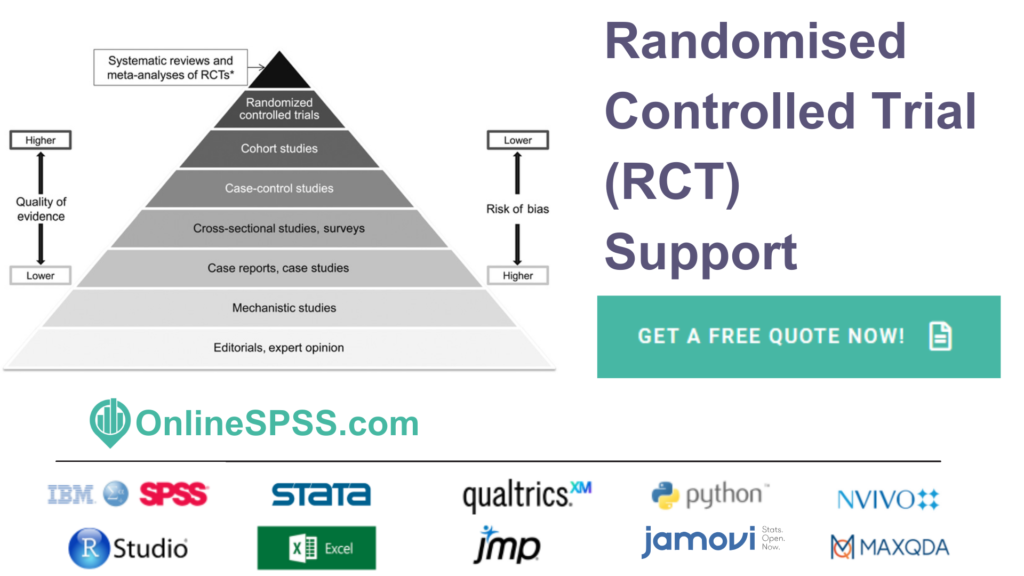
Randomised controlled trials offer the highest level of evidence in medical and scientific research. They allow researchers to eliminate many forms of bias and clearly evaluate the impact of a treatment or intervention.
However, RCTs also require significant time, money, and ethical oversight. In some cases, random assignment may not be feasible or ethical—especially when withholding treatment could harm participants.
What is the Gold Standard of Research Experiments?
Researchers often describe the randomised controlled trial (RCT) as the gold standard of experimental research. This reputation comes from its ability to produce strong, reliable evidence about whether an intervention causes a specific outcome. In an RCT, researchers randomly assign participants to either the treatment or control group, which helps eliminate bias and equalise other influencing factors between groups.
Statistical Data Analysis Service
Because randomisation prevents selection bias and controls for confounding variables, RCTs allow researchers to draw valid cause-and-effect conclusions. When well-designed and properly implemented, an RCT provides the highest level of evidence in clinical research, public health, psychology, and education.
Why it’s the gold standard:
Randomisation reduces bias and balances groups
Control groups offer fair comparison
Blinding prevents observer and participant influence
What is the Research Methodology of Randomised Controlled Trials?
The research methodology of a randomised controlled trial follows a systematic, step-by-step structure that ensures objectivity and reliability. Researchers begin by defining a clear hypothesis, selecting participants, and establishing inclusion and exclusion criteria. They then use random allocation to assign participants to intervention and control groups.
Researchers implement the intervention in the experimental group and maintain standard care or a placebo in the control group. Throughout the study, they monitor outcomes using valid and reliable tools. Many RCTs include blinding to reduce bias during data collection and analysis. Finally, researchers perform statistical tests to determine if the observed differences between groups are statistically significant.
Core steps in the RCT methodology:
Define research question and outcome
Recruit participants using eligibility criteria
Randomly assign participants to groups
Deliver the intervention and monitor both groups
Collect outcome data and analyse statistically
Report findings clearly and transparently
Randomised Controlled vs Non-Randomised Controlled Trial: What’s the Difference?
The key difference between a randomised controlled trial (RCT) and a non-randomised controlled trial (non-RCT) lies in the method of assigning participants to groups. In an RCT, researchers use random allocation, giving every participant an equal chance of being in either the intervention or control group. This randomisation process helps remove bias and balances characteristics across groups.
In contrast, a non-randomised controlled trial assigns participants using other methods—such as researcher judgement, participant preference, or availability. These non-random methods introduce potential bias and reduce the strength of causal conclusions. While non-RCTs are often easier to conduct, they do not provide the same level of internal validity as RCTs.
Summary of key differences:
Feature
RCT
Non-RCT
Group Assignment
Randomised
Non-random (judgement, preference, etc.)
Bias Control
High
Lower
Internal Validity
Strong
Weaker
Suitable for Causal Claims?
Yes
Caution needed
Complexity and Cost
Higher
Lower
Use RCTs when you need to prove cause-and-effect relationships. Use non-RCTs when randomisation is not feasible but comparative analysis is still needed.
How to Collect Data for a Randomised Controlled Trial?
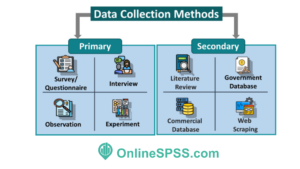
Data collection in a randomised controlled trial begins with clear inclusion and exclusion criteria. Researchers recruit participants, obtain informed consent, and randomly assign them to groups. They then apply the intervention and monitor outcomes using standardised tools.
Researchers must ensure consistent data collection procedures across all participants. They use structured questionnaires, clinical measures, laboratory tests, or observation checklists depending on the research aim.
Data Collection Methods
Data collection steps:
Define eligibility criteria
Randomly assign participants to groups
Apply the intervention or control condition
Collect data using pre-defined tools at specific time points
What is the Data Analysis of a Randomised Controlled Trial?
Researchers analyse randomised controlled trial data by comparing outcomes between the intervention and control groups. They begin with descriptive statistics and move to inferential tests to determine if group differences are statistically significant.
Most RCTs use intention-to-treat analysis, which includes all participants in the group they were originally assigned to—regardless of whether they completed the intervention. This preserves the benefits of randomisation.
Key steps in analysis:
Summarise group outcomes using means or proportions
Use t-tests or ANOVA for continuous outcomes
Use chi-square tests for categorical outcomes
Apply regression models to adjust for baseline differences
What Statistical Tests are Used in Randomised Controlled Trials?
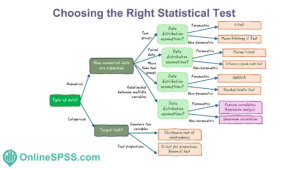
Statistical tests in an RCT depend on the type of outcome and the study design. For continuous outcomes (e.g. blood pressure), researchers use t-tests or ANOVA. For categorical outcomes (e.g. improved vs not improved), they use chi-square or Fisher’s exact test.
Choosing the Right Statistical Test
More complex designs may require regression analysis, survival analysis, or mixed models—especially in multicentre or repeated-measures trials.
Common tests:
Independent t-test / ANOVA – for comparing means between groups
Chi-square / Fisher’s test – for comparing proportions
How Do You Analyse Data in a Randomised Controlled Trial?
To analyse RCT data, researchers start by checking randomisation success across groups. They summarise baseline characteristics and verify that the groups are balanced. They then compare outcome measures using appropriate statistical tests.
Most researchers use intention-to-treat principles to handle dropouts and maintain group balance. They also apply multivariate analysis when controlling for additional variables.
Steps to follow:
Check baseline comparability
Run descriptive analysis for all variables
Use t-tests or chi-square for group comparisons
Apply regression models if needed
Interpret results with clinical and statistical significance in mind
Statistical Data Analysis Help for Randomised Controlled Trial
At OnlineSPSS.com, we support students and researchers who work with randomised controlled trial designs. From randomisation plans to data analysis and reporting, we provide expert help at every step of your RCT project.
Our experts provide guidance on statistical tests, interpretation of complex data, and presentation of results in clear, publication-ready formats. We work closely with you to meet your specific research needs and ensure that your study’s outcomes are reliable and well-presented.
Our services include:
Study design consultation and review.
Data coding and cleaning tailored for study data.
Advanced statistical analysis using appropriate software.
Clear interpretation and guidance on reporting results.
Support in creating visualisations and APA-style reports.
📺 Visit our YouTube Channel for SPSS and qualitative data tutorials, tips, and academic writing guidance.
✅ Follow us on LinkedIn for useful Statistical Content.
Need Help with Data Analysis?
Expert Statistical Data Analysis and Writing Services Tailored for Academic Research.
Get Accurate Insights, Reliable Results, and Professional Guidance.



 RCTs also help prevent selection bias, balance confounding variables, and produce results that researchers can generalise to larger populations. These trials play a key role in clinical medicine, mental health interventions, policy evaluation, and behavioural sciences.